
Owner Financing · Article 40
Should I Be Worried About the Owner's Original Lender?
If the seller still has a mortgage, it's worth asking about the due-on-sale clause before you move forward.
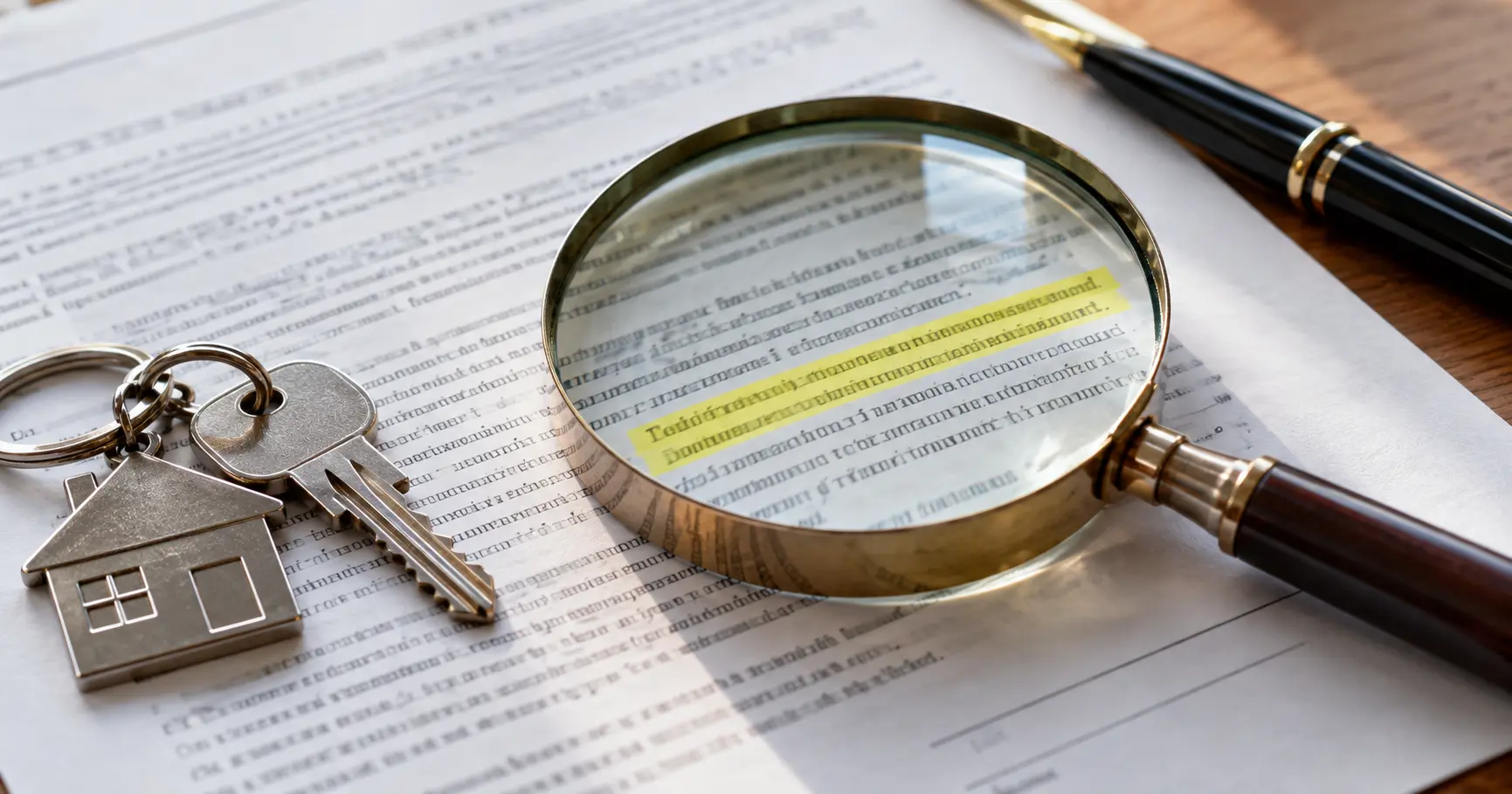
If the seller still has a mortgage, it's worth asking about the due-on-sale clause before you move forward.
What Is a Due-on-Sale Clause?
Most conventional mortgages include a clause allowing the lender to demand full repayment if the property's title transfers to a new owner, which can technically be triggered by an owner financing sale.
Why This Matters for Buyers
If the seller's lender enforces this clause, it could disrupt the arrangement and create serious complications for both the buyer and seller.
How Sellers and Buyers Manage This Risk
Some deals proceed despite the clause since lenders don't always enforce it, particularly when payments stay current; others use structures like a land trust or wraparound designed to minimize the risk. An attorney familiar with these structures should be consulted.
Bottom Line
Always ask directly whether the seller has an existing mortgage and understand the due-on-sale risk before finalizing your purchase.
Learn more about navigating this risk at ownerfinancedhomesforsale.com.
This article shares general educational information about owner financing and is not legal or financial advice. Consult a licensed real estate attorney or financial professional before entering into any owner financing agreement in your state.